
RTI in Real Estate: Ready-to-Issue Permits Explained
RTI in real estate usually means Ready to Issue when the term appears in a Los Angeles development listing. It describes a permitting milestone associated with a specific application and set of plans. It does not mean the proposed building already exists, every project cost has been paid, or construction can begin merely because the listing uses those letters.
For buyers considering land, redevelopment opportunities, or properties with approved plans in Los Angeles and the surrounding area, RTI can be valuable. It may represent work already completed in the approval process. But its value depends on what was approved, what remains outstanding, and whether the project fits the buyer’s goals.
This guide explains the term and the due diligence needed to evaluate an RTI property. For current and past projects, see Rana's RTI development projects in Los Angeles.
What does RTI mean in real estate?
RTI stands for Ready to Issue. In a Los Angeles permitting context, it generally indicates that an application has reached a stage where the permit can be issued after remaining issuance requirements are completed. RTI is not the same as an issued building permit.
LADBS explains that, after plan and application approval, applicants receive instructions to provide contractor or owner information and pay final permit fees. Its permitting guidance separately identifies permit issuance as the authorization to begin the approved construction work.[1][2]
Always verify the actual application record. A marketing label is a starting point for investigation, not a substitute for the agency’s current status.
RTI is not ROI, and it is not a sale-status label
ROI means return on investment, a financial concept. RTI refers to Ready to Issue in the development context discussed here. The two terms answer different questions.
RTI also does not ordinarily mean that a property sale is pending or that a purchase agreement has cleared contingencies. A listing can be available, under contract, or sold independently of the project’s permitting status.
When someone uses an abbreviation without explanation, ask for the full term and the supporting document. That simple step prevents a buyer from interpreting a development milestone as a statement about investment performance or transaction status.
Why buyers may value an RTI property
A buyer starting with an undeveloped concept must investigate feasibility and pursue the required reviews. An RTI offering may include plans and completed approval work that reduce some of those remaining tasks.
The potential benefit is not just the existence of drawings. It is the possibility of moving forward with a defined project rather than beginning every design and review step again.
However, time saved has value only when the approved project is useful to the buyer. If the buyer wants a different layout, building size, or use, the existing work may provide less benefit. Evaluate the approved project itself before paying a premium for its status.
Understand the development stages without treating them as interchangeable
Concept and feasibility
At the beginning, a proposal may exist only as a design idea. The buyer must understand the site, intended use, applicable restrictions, and the reviews that may be required.
Planning and technical review
Depending on the project, separate planning decisions, building review, and agency clearances may be involved. Approval of one component does not necessarily establish completion of every other requirement.
Ready to Issue and permit issuance
RTI generally describes readiness for issuance subject to remaining requirements. The issued permit is a separate document and status.
Construction and final approvals
After issuance, the project still requires construction, applicable inspections, and any final approvals needed for the intended occupancy or use. LADBS’s Standard Plan Program describes this separation between review, permit issuance, construction, and occupancy-related completion.[3]
Start by confirming the correct jurisdiction
A property in Los Angeles County is not automatically regulated by the City of Los Angeles. Beverly Hills and other incorporated cities have their own municipal processes, while unincorporated areas follow the applicable county process.
Identify the actual parcel and permitting authority before applying an LADBS explanation to a specific property. A mailing address can be a poor substitute for jurisdictional confirmation.
This matters because terminology, records systems, expiration rules, fees, and remaining requirements can differ. Use this article as a framework for questions, then obtain answers from the agency responsible for the project. Do not assume an RTI representation means exactly the same thing in every jurisdiction.
Match the property, application, and approved plans
Ask for the parcel information, application number, project address, scope of work, and the latest approved drawing set. These items should refer to the same project.
Check for multiple applications associated with the site. A property may have separate records for different structures, phases, or categories of work. One application’s status may not describe the entire development.
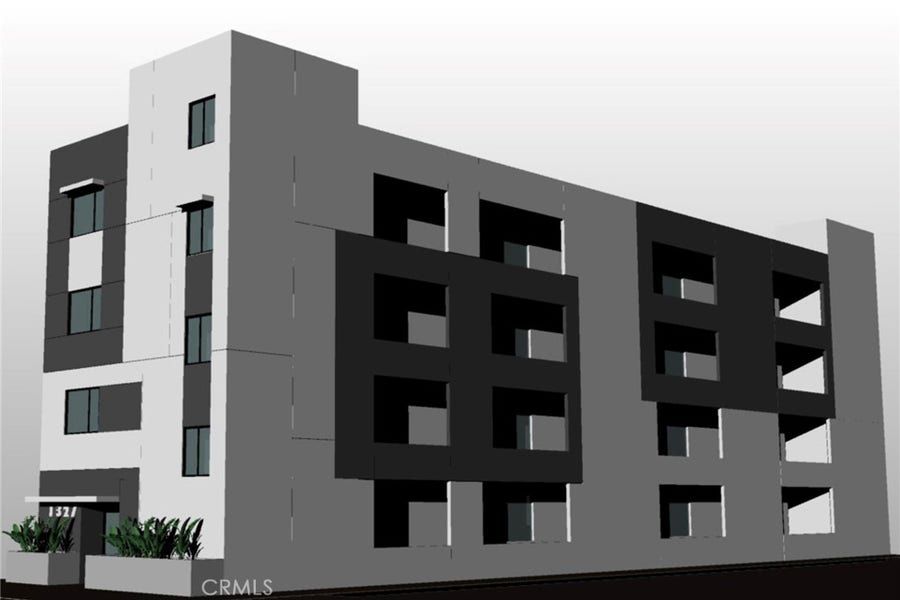
Compare the approved scope with the listing’s claims. If the advertisement describes a certain number of units or a particular building size, identify where that information appears in the relevant documents. A polished rendering is not proof that the depicted project is the approved one.
Request a current document package, not an old screenshot
An old status image can show that an application reached a milestone at some point. It does not necessarily establish its present condition.
Request current agency information, the approved plans and revisions, available clearance records, fee information, conditions, and relevant correspondence. Organize the material by application number and date.
Then identify what is missing. A package can be visually impressive while omitting the document that answers a central question. Ask the seller or project team to explain discrepancies, but independently verify material information with the appropriate agency or qualified professional. The purpose is to establish a reliable present-tense picture.
Use official records to investigate the claim
LADBS announced the launch of PRISM, its Permit & Records Information Search Module, on September 21, 2026. The department’s help information describes searches using identifiers such as address, parcel, legal description, assessor number, or document number.[4][5]
Begin through the official department resources and use the property’s exact identifiers. Review the records available for the relevant project, then contact the department when the information is incomplete or unclear.
A search result is evidence to interpret, not an automatic certification of every condition. Keep copies of the records relied upon and note the date checked. Status information should be current when it informs a purchase decision.
Verify what remains before issuance
The phrase “ready” can obscure the fact that actions still remain. LADBS’s post-approval guidance specifically refers to entering contractor or owner information and paying final permit fees before obtaining the stamped plans through the stated process.[1]
For the actual project, ask the responsible department what is required to issue the permit now. Obtain a written explanation where possible rather than relying on a seller’s estimate that it is “just a small fee.”
Also clarify who is responsible for each remaining task under the purchase agreement. A task can be straightforward administratively and still create a transaction problem when neither party has agreed to complete or pay for it.
RTI does not necessarily mean every project cost is paid
Separate permit-issuance costs from the complete development budget. The latter may include design services, engineering, site work, construction, utilities, financing, insurance, taxes, professional services, and other project-specific items.
Ask which fees have been paid and request evidence. For unpaid amounts, obtain current estimates from the relevant agency or provider. An old budget can become inaccurate even when the approved design has not changed.
Do not confuse a paid plan-review fee with payment of every fee required to construct and complete the project. Create a line-item schedule showing the amount, source, due date, responsible party, and whether the figure is confirmed or estimated.
Check deadlines before assuming time has been saved
LADBS’s general FAQ states that a plan check is good for 18 months from the time the plan-check fees are paid.[6] That statement does not mean every property marketed as RTI receives a fresh 18-month period when purchased.
Verify the dates and rules for the specific application, along with any applicable extensions, special provisions, or separate approval deadlines. Ask the department to confirm what action must occur and by when.
Do not assume a pending sale pauses the clock. A project approaching a deadline may require a different transaction schedule or may provide less practical value than the same project with ample time to complete remaining requirements.
Confirm that your intended design matches the approved project
An RTI project is not a blank authorization to build whatever the buyer prefers. Its usefulness depends on the approved scope.
Compare the plans with your goals before committing. Are the layout, size, access, parking arrangement, and intended use suitable? Are you comfortable building what is actually shown?
If changes are important, ask the design professional and permitting agency how they would be handled and whether additional review is needed. LADBS’s Standard Plan Program specifically notes that site-specific adaptations and adjustments can require further review and costs.[3] Do not assume a proposed modification is minor simply because it appears small on a rendering.
Investigate site conditions independently of the approval label
A permitting milestone does not eliminate the need to understand the physical site. Consider which professional evaluations are appropriate for topography, access, drainage, utilities, existing structures, and other relevant conditions.
Review the available reports and ask whether the construction budget reflects their findings. A plan can identify work that is technically possible without establishing that the buyer can complete it within the desired budget.
For your decision, separate known work from unresolved uncertainty. A documented retaining-wall requirement is different from a vague allowance for whatever the site may need. The more important a condition is to cost or feasibility, the less appropriate it is to leave it as an unexplained assumption.
Title and access questions remain separate
RTI status does not replace a title review. Recorded easements, access rights, restrictions, and other title matters may affect the buyer’s intended project or financing.
Have the relevant documents reviewed by appropriate professionals. Compare the site plans with the rights and limitations actually associated with the parcel.
Do not infer that a proposed driveway, staging area, or utility route is fully available simply because it appears in marketing material. Identify the legal basis and any required agreements. The purpose is not to assume a problem exists; it is to keep separate due-diligence questions from being mistakenly answered by one permitting abbreviation.
Review rights to use the plans and project materials
A purchase that includes drawings should clearly address the buyer’s rights to use them. Possessing a copy of a plan is not a sufficient basis for assuming every intellectual-property or professional-service issue has been resolved.
Ask qualified counsel and the design team to review applicable agreements, assignments, permissions, and the scope of ongoing services. Clarify whether editable files, supporting reports, calculations, and future assistance are included.
Also identify who will respond to questions during construction. The buyer may need more than a completed drawing set; the project may require continued coordination. Resolve that relationship before treating the seller’s historical design expenditure as a fully transferable benefit.
Obtain construction pricing for the actual approved scope
A seller’s projected construction cost is not a binding offer from your contractor. Obtain qualified pricing based on the relevant plans, reports, assumptions, and schedule.
Ask bidders to identify exclusions, allowances, unresolved design items, and the conditions under which pricing can change. Compare like-for-like scopes rather than choosing the smallest total.
The California Contractors State License Board provides an official license-check resource.[7] Use appropriate verification and professional advice when assembling the construction team. Licensing is one part of contractor evaluation; scope, capacity, insurance, references, and the proposed agreement also deserve review.
Time savings should be valued, not merely advertised
Suppose an RTI property costs $100,000 more than a comparable alternative, and the buyer estimates it could reduce preconstruction carrying time by six months.
If the relevant carrying cost is hypothetically $12,000 per month, six months represents $72,000. That estimate alone does not justify a $100,000 premium. Other avoided design and review costs might matter, but so could remaining fees, required revisions, or the risk that the time savings do not materialize.
This is a decision framework, not a valuation formula. Identify which costs are genuinely avoided and avoid double-counting items already included elsewhere. The value of RTI is project-specific, not a standard percentage added to land value.
Build a full development budget before setting a purchase limit
Start with acquisition cost, then add verified and estimated costs needed to reach the intended finished condition. Include financing, carrying expenses, professional services, construction, contingency, and the eventual sale or operating plan.
Label assumptions clearly. A signed bid, an agency fee estimate, and a preliminary allowance do not provide the same level of certainty.
Then test less favorable outcomes. What happens if construction costs increase, the schedule extends, or completed value is lower than expected? A project can be permit-ready and financially unattractive. The development budget should establish your purchase limit rather than allowing the RTI label to set it.
Financing must fit the development plan
Land acquisition, construction, and a completed income property can involve different financing structures and approval conditions. Discuss the actual project with qualified lenders rather than assuming an ordinary home mortgage will support the intended work.
Ask about the required equity, disbursement process, interest costs, completion expectations, and conditions for permanent financing or sale.
Evaluate the project under the terms available to you, not the seller’s financing or a hoped-for future refinance. A permitting milestone may help explain the project to a lender, but it does not itself guarantee financing, an appraisal result, or an acceptable completed-property value.
Allocate responsibilities clearly in the purchase agreement
The agreement should identify which project materials are included and who will handle remaining actions, subject to professional legal guidance.
Important questions include delivery of plans and reports, access to project information, payment of outstanding fees, cooperation with required updates, and the treatment of deadlines during escrow. Do not rely on informal statements that everything “comes with the property.”
The right contract language depends on the transaction and jurisdiction. Have qualified professionals address the details rather than copying generic wording from an article. A valuable RTI package can lose practical value when the agreement does not support its effective transfer and use.
Sellers should market RTI precisely
A seller can make an RTI offering easier to evaluate by presenting current, organized evidence. Identify the permitting authority, application number, approved scope, status date, and known remaining requirements.
Distinguish proposed renderings from existing conditions and separate RTI from an issued permit. Avoid broad promises such as guaranteed construction start, guaranteed profitability, or unlimited design changes.
The best marketing package helps a buyer verify the opportunity. Clarity can reduce repeated questions and unsupported assumptions. It also makes the project’s genuine advantages easier to understand without overstating what the approvals accomplish.
Common warning signs deserve specific follow-up
Be cautious when the only evidence is a listing description, when the available plans do not match the advertised project, or when the seller cannot explain the relevant application numbers.
Other concerns include unclear expiration dates, an outdated fee estimate, no documented rights to use the plans, or a budget that excludes significant site work. None automatically proves the property should be rejected, but each creates a question that should be resolved.
A useful response is not simply to demand a larger discount. Ask what information would establish the scope, cost, and feasibility well enough to decide. Some uncertainty can be priced; other uncertainty may prevent a sound decision altogether.
RTI is a milestone, not the finish line
Even after permit issuance, a project requires execution. Construction quality, coordination, inspections, schedule, cost control, and final approvals still determine whether the intended result is achieved.
Keep the development plan organized around the remaining work rather than the most impressive completed milestone. Assign responsibility, identify dependencies, and maintain a realistic contingency.
The buyer’s central question should be, “What exactly remains between this property and the finished outcome I want?” RTI can help answer part of that question. It cannot answer all of it.
Build a verification memo before assigning value to RTI
A concise verification memo can help the buyer, agent, lender, and project professionals work from the same information. Identify the parcel, permitting authority, relevant applications, plan revision, current status, and the date each item was checked.
Then list the remaining actions without combining them into one vague “permit cost.” Name the party expected to complete each task and identify the document supporting that expectation.
Separate confirmed information from open questions. A fee estimate may be current while a design-rights question remains unresolved. The memo should preserve that distinction rather than labeling the entire project verified because some components are well documented.
Compare two projects by remaining work
Imagine two hypothetical properties both advertised as RTI. Project A matches the buyer’s intended design, has current supporting records, and has clearly identified remaining issuance steps. Project B has attractive renderings, but the buyer wants substantial changes and cannot yet confirm the application deadline.
The same abbreviation does not make the opportunities equivalent. Project A may offer a more usable head start even if Project B’s seller spent more on design. Historical spending is not the same as value to the next owner.
Compare what remains to reach the buyer’s actual outcome. This creates a more useful basis for price discussions than asking how much the seller believes the approvals should be worth.
Update the memo before a major commitment
A document package assembled early in negotiations can become outdated. Before removing relevant protections, releasing funds, or taking another significant contractual step, ask the appropriate professionals whether material status information should be refreshed.
Focus on items that could change the decision: expiration, unpaid amounts, revised plans, agency conditions, or the availability of required project cooperation.
The memo is not a legal opinion, engineering certification, or agency approval. It is an organizational tool that makes the limits of the available information visible. That visibility helps the buyer decide which questions require an answer before proceeding and which remaining risks can reasonably be accepted and budgeted.
Frequently asked questions about RTI in real estate
Can I begin construction immediately after buying an RTI property?
Do not assume so. Confirm that the required permits have actually been issued, that applicable conditions have been satisfied, and that the proposed work is authorized. Buying the property and obtaining permission to perform construction are separate events.
Does selling the property restart the approval deadline?
Do not assume a new ownership period creates a new application period. Confirm the relevant deadlines and any available extensions with the permitting authority. The purchase agreement should account for the actual schedule.
Can I change the plans after purchasing?
Possibly, but the consequences depend on the proposed changes and the applicable review process. Ask the design team and agency what additional work, fees, or approvals would be required. Existing RTI status should not be treated as blanket approval for a different design.
Does RTI mean the property has a certificate of occupancy?
No. Readiness for permit issuance concerns a different stage from completion and occupancy approval. Verify existing and proposed uses separately, and review the records relevant to each.
Is an RTI property always worth more than unapproved land?
Not necessarily. The approved project may be unsuitable, close to a deadline, expensive to build, or missing important transferable materials. Any premium should reflect the verified benefit to the buyer’s actual plan, not the abbreviation alone.
Evaluate the project behind the RTI label
RTI can represent meaningful progress, but its value depends on documentation, scope, deadlines, remaining costs, and practical feasibility. The safest interpretation is specific: this application, for this project, under this authority, at this point in time.
Rana Real Estate helps buyers explore development and property opportunities in Los Angeles, Beverly Hills, and the San Fernando Valley. Contact Rana Real Estate to discuss the property and organize the questions your permitting, legal, design, construction, and lending professionals should address.
This article is educational and does not provide architectural, engineering, permitting, legal, tax, or lending advice. Requirements and application status can change. Confirm project-specific information directly with the responsible authority and qualified professionals.
Sources and references
Sources checked October 17, 2026. Reporting periods and hypothetical examples are identified in the article.
- Los Angeles Department of Building and Safety: What should I do after my plan and application have been approved?
- Los Angeles Department of Building and Safety: Permitting, inspections, and property records
- Los Angeles Department of Building and Safety: Standard Plan Program and site-specific review
- Los Angeles Department of Building and Safety: Launch of PRISM, September 21, 2026
- Los Angeles Department of Building and Safety: PRISM Help and Frequently Asked Questions
- Los Angeles Department of Building and Safety: How long a Plan Check is good for?
- California Contractors State License Board: Check a License